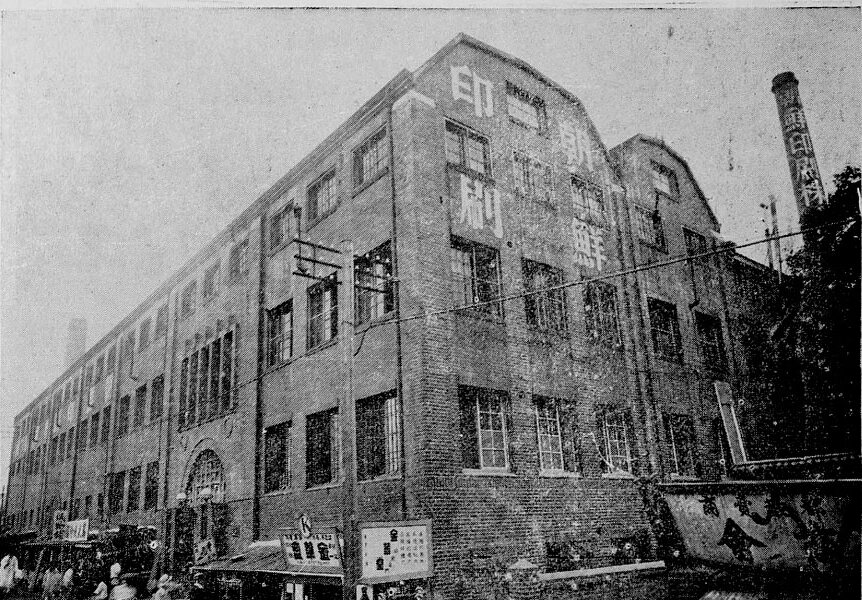
- Printshop typography Four Seoul printshops that set the same Japanese type, told apart across some 57,000 pages by an interpretable vision model.
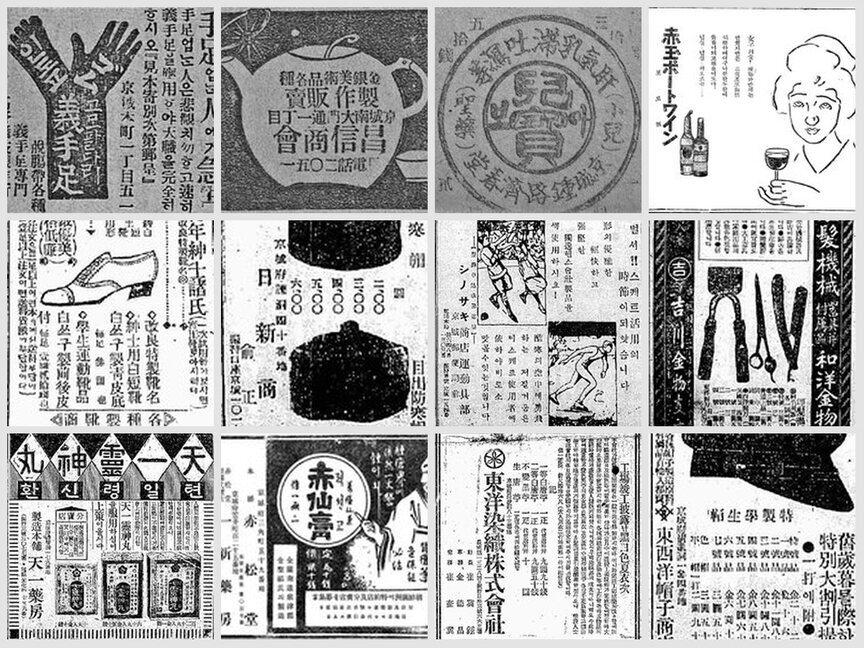
- Newspaper advertising The colonial daily press through its advertisements, found by a detector and read at scale by a vision-language model.
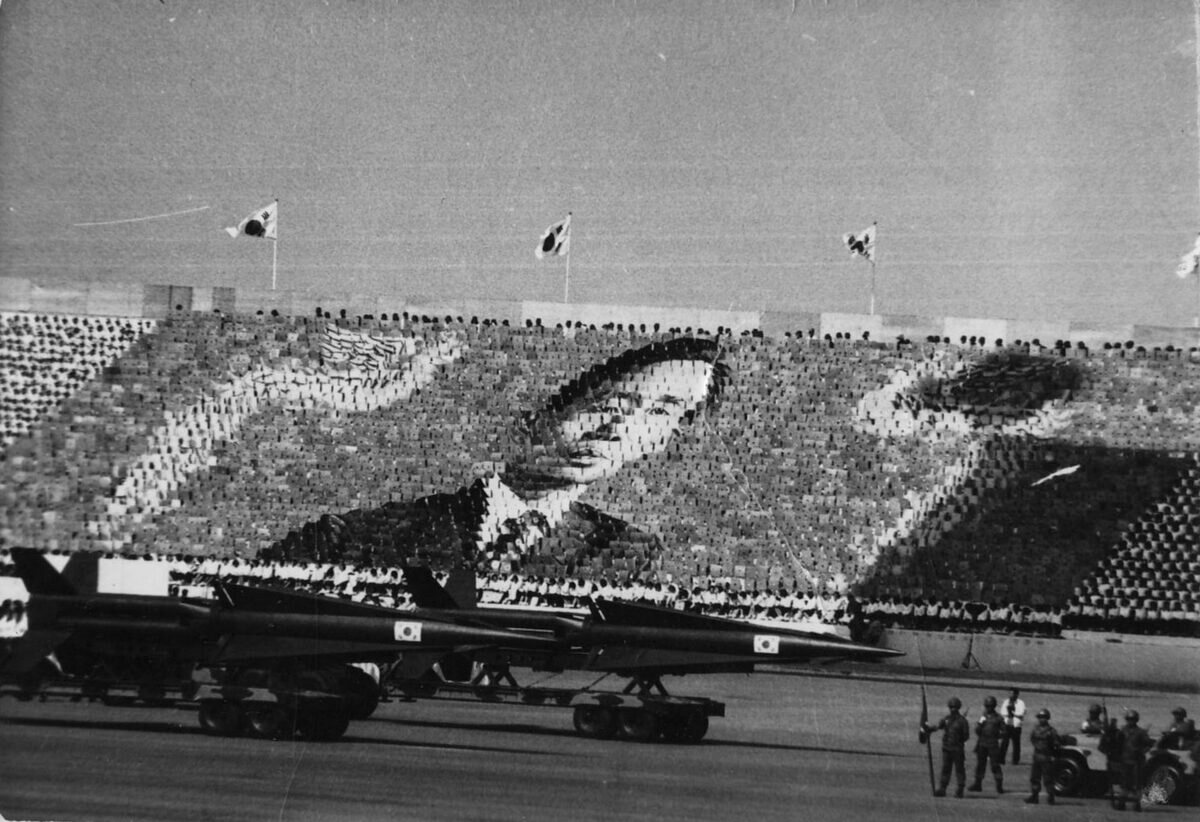
- Textbooks and nationalism Led by Steven Denney Every South Korean national-history textbook since 1895, read with language models.

Aron van de Pol
PhD candidate in digital humanities and Korean studies, Leiden University
I read colonial Korean print with computer vision and language models, and ask what these methods reveal and what they obscure.
My dissertation follows the printshops of colonial Seoul and the advertising in its daily press, across collections too large to page through. With Steven Denney, who leads the project, I read every South Korean national-history textbook since 1895.
Now
NowPublished 16 Jun 2026 Interpretable Visual Feature Discovery using Multiple Instance Learning: A Case Study of Colonial Korean Print
Also
- Pixels and Patterns Substack, with Steven Denney
- Deep Learning for the Humanities Workshop series I taught at Leiden, materials online
- Korean Histories Journal, managing editor